Information
Landmark: Japanese TunnelsCity: Rabaul
Country: Papua New Guinea
Continent: Australia
Japanese Tunnels, Rabaul, Papua New Guinea, Australia
The Japanese Tunnels in Papua New Guinea refer to a network of underground bunkers, tunnels, and other fortifications built by the Japanese Imperial Army during World War II. These tunnels were primarily constructed during the Japanese occupation of the country (particularly in areas like Rabaul, Kokopo, and New Britain) and were part of the military efforts to fortify strategic positions in anticipation of Allied attacks.
Key Features and Historical Significance:
Historical Context:
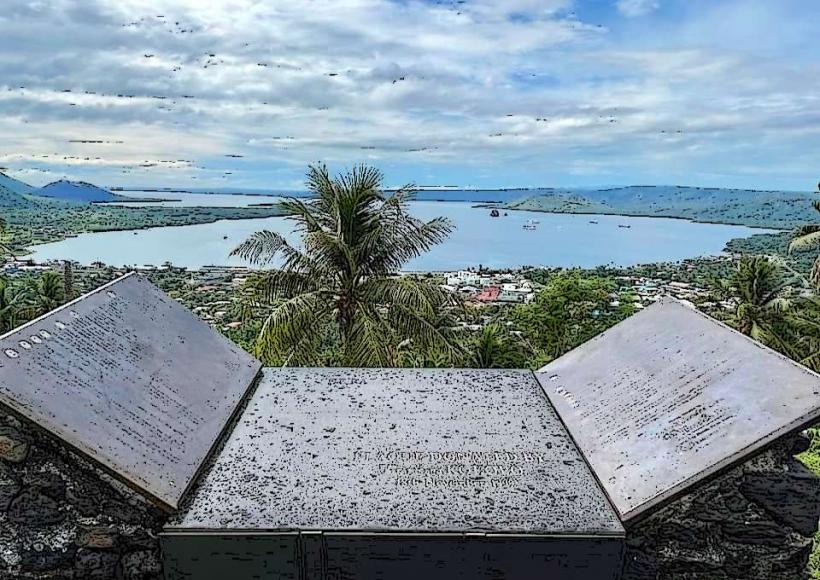
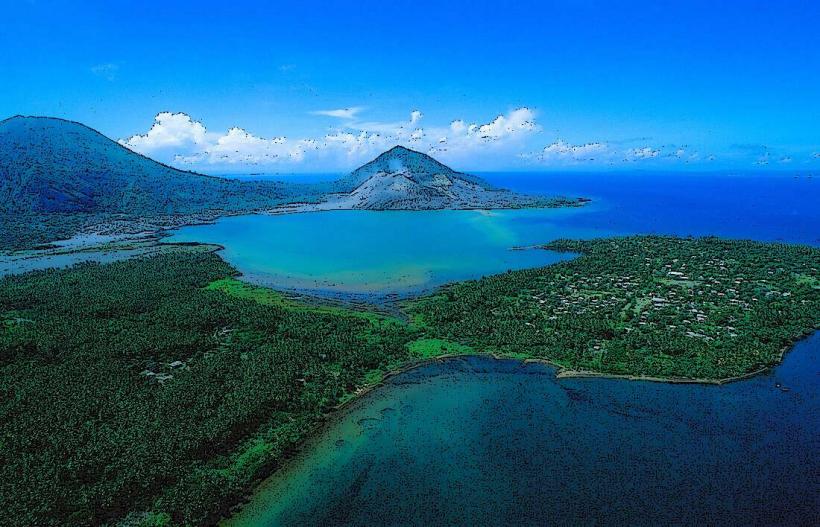
- During World War II, Rabaul, located on the Gazelle Peninsula in East New Britain, was one of the most important military bases for the Japanese in the Pacific. The town and surrounding areas were heavily fortified to defend against potential Allied forces. This was due to Rabaul’s strategic location, its deep harbor, and the presence of several volcanic calderas that provided natural defenses.
- The Japanese occupation of Rabaul began in 1942 after the Imperial Japanese Army swiftly took control of the region. To strengthen their position and protect themselves from air and naval attacks, the Japanese began constructing extensive networks of tunnels, bunkers, and defensive positions in the hills and mountains surrounding Rabaul and other areas.
- The tunnels were designed to be bomb-proof and impervious to airstrikes, offering shelter for Japanese soldiers, weapons, supplies, and even command posts.
Tunnel Construction:
- The tunnels were dug by hand, with manual labor from Japanese soldiers and local forced laborers (including prisoners of war). The tunnels were often built through solid volcanic rock or soft soil, creating a maze of interconnected underground chambers.
- Some tunnels were simple, consisting of narrow passages that provided safe passage for soldiers. Others were more elaborate, with large storage areas, living quarters, and even hospital and communication rooms.
- The tunnel system was designed to be self-sufficient, with ventilation shafts and sometimes even water storage. The tunnels also provided protection against air raids, as the area was frequently bombed by Allied forces during the Pacific War.
Rabaul and Surrounding Areas:
- Rabaul and the surrounding Gazelle Peninsula have some of the most notable and well-preserved remnants of Japanese tunnels. These tunnels were part of the defensive system around the harbor and were crucial for the Japanese army's ability to maintain control of the region.
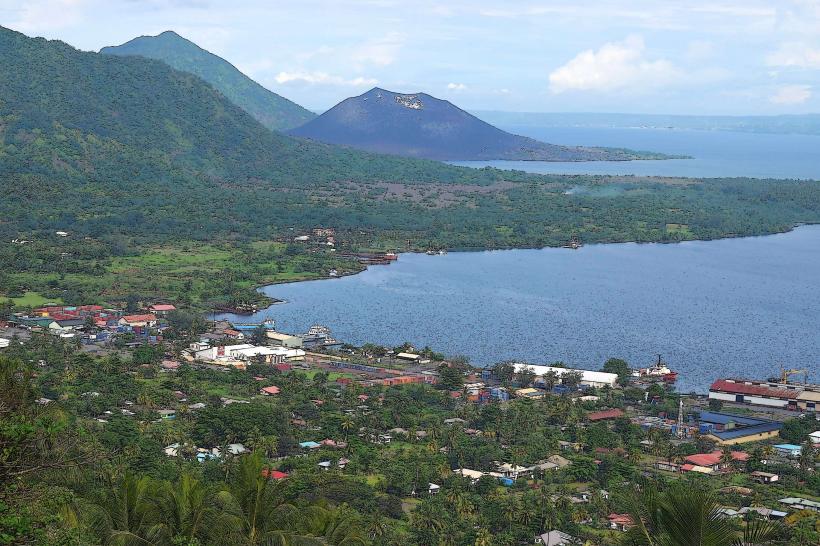
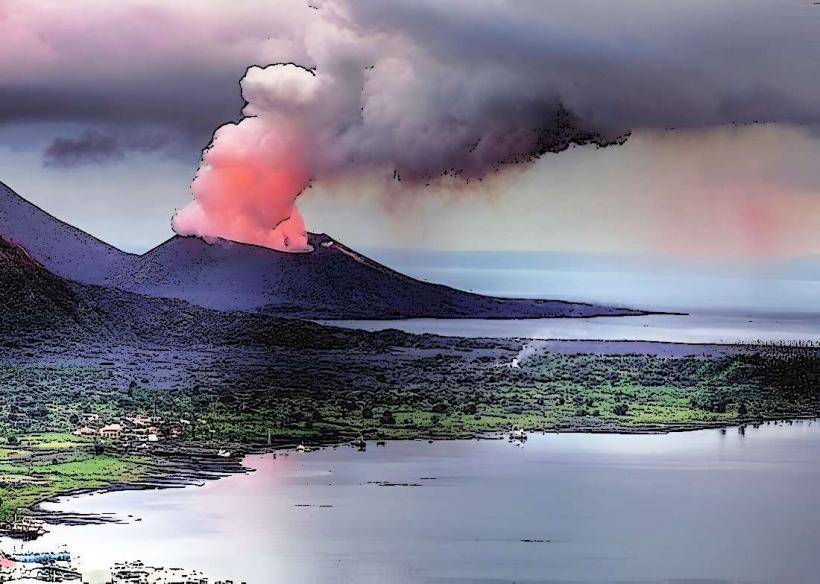
- The Japanese tunnels in Rabaul are among the most famous in Papua New Guinea, and several of them are still accessible to the public today. Some of these tunnels are located near the Tavurvur Volcano, and they offer a glimpse into the region's wartime history.
- Kokopo, a town on the eastern coast of the peninsula, also has remnants of Japanese tunnels that were used for defensive purposes during the conflict.
Other Locations:
- Kavieng (on New Ireland Island) and Lae are other notable locations in Papua New Guinea where Japanese tunnels can be found. These tunnels are part of the broader network of fortifications the Japanese created throughout the country during the war.
- Buna and Gona, on the northern coast of Papua New Guinea, were key battlegrounds during the Papuan Campaign, where the Japanese used tunnels and underground bunkers to hide from Allied forces, though these are less extensive than those in Rabaul and Kokopo.
War Impact and Legacy:
- The Japanese tunnels played a significant role in the defense of Rabaul and other areas during the war, allowing Japanese forces to withstand repeated bombings by Allied forces. However, as the war progressed and the Allies advanced in the Pacific, Rabaul and other Japanese-held areas became increasingly isolated.
- Following the Allied victories in the Pacific, the Japanese occupation of Papua New Guinea ended, but the legacy of their presence remains in the form of these tunnels and other wartime structures.
- The tunnels have become an important part of wartime heritage and are often included in WWII-themed tours for visitors to Papua New Guinea, offering insight into the hardships faced by both Japanese forces and local civilians during the conflict.
Current Status and Tourism:
- Today, the Japanese Tunnels in Rabaul and Kokopo are popular attractions for tourists interested in World War II history. Visitors can tour some of the tunnels, many of which are still intact or partially restored, and learn about the history of the Japanese occupation and the events of the war.
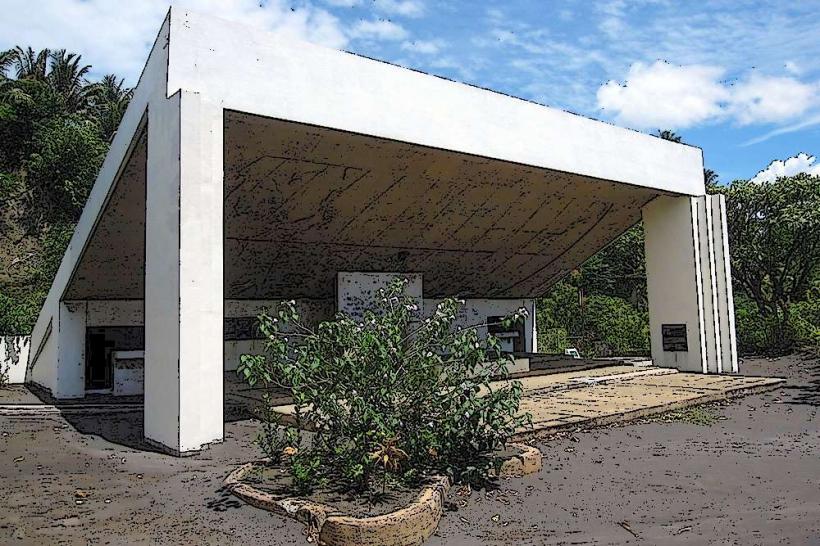
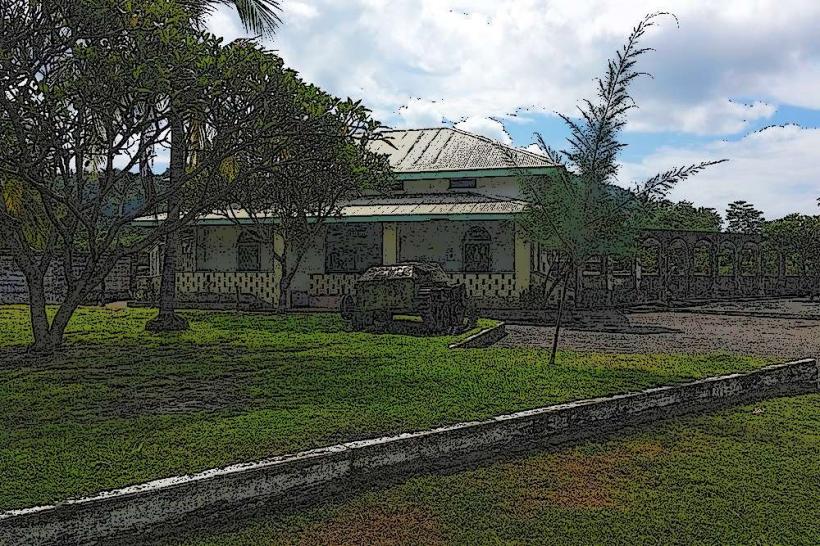
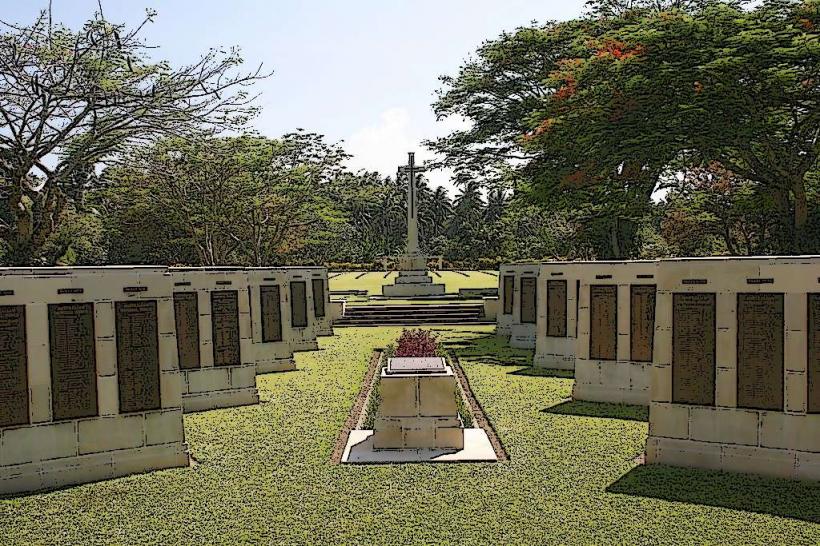
- The tunnels are often part of larger WWII heritage tours, which include visits to other sites such as the Rabaul Volcano Observatory, war memorials, and the Tavurvur Volcano. These tours provide a deeper understanding of the region's role in the Pacific Theater of World War II and the ongoing cultural and historical significance of the war in Papua New Guinea.
- Some tunnels are more challenging to access due to their locations in remote, jungle-covered areas or active volcanic zones. As such, local guides often accompany tourists to ensure safe exploration.
Cultural Significance:
- The Japanese tunnels are a reminder of the sacrifice and hardship experienced by the local population, many of whom were forced into labor by the Japanese army during the war. Papuan civilians played an important role in the construction of these tunnels, and their stories are often woven into the broader history of the war.
- In addition to their military role, the tunnels also reflect the historical and cultural heritage of the region, with some tunnels being used by local communities for shelter and protection during the war years.
Conclusion:
The Japanese Tunnels in Papua New Guinea are a significant part of the country's wartime history and have become important historical sites for both locals and visitors. These underground fortifications, particularly in Rabaul and Kokopo, offer a fascinating glimpse into the resilience of the Japanese army and the local communities during World War II. Today, they stand as both a testament to the past and a means of preserving the memory of the events that shaped the region’s history during the war.